

Benefits Of Using Anaerobic Digestion For Industrial Waste Water Treatment
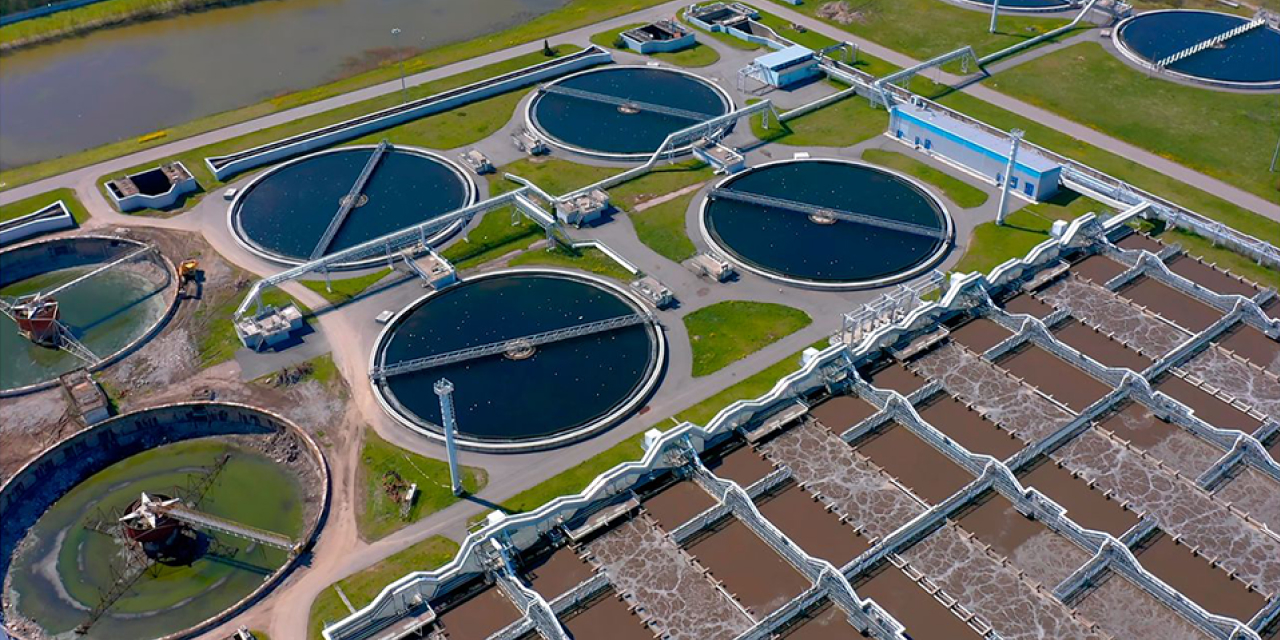
Industrial Revolution over the past few decades has led to the generation of large amounts of Industrial waste water that has the potential to pose huge threats to the environment & to the health of the living beings. In order to avoid, prevent & control this, various industrial waste treatment and disposal methods are used. The method to process the Industrial waste water is generally based on utmost safety, minimum impact on the environment and to a larger extends on vaporization of the waste and possibility of final recycling of the end products. Anaerobic digestion is the most suggested option for the treatment of high strength organic effluents. The presence of biodegradable components in the effluents along with the benefits of anaerobic process over other treatment methods makes it the most recommended & suitable option.
Anaerobic digestion for Industrial waste water treatment is an efficient and attractive waste treatment practice which focuses on both pollution control and energy recovery. Since majority of agricultural and industrial wastes are composed of high levels of easily biodegradable materials, anaerobic digestion is considered the most suitable method.
Even though anaerobic technology dates back more than 100 years, the technology is still under development, adapting novel treatment systems to the needs of the modern society and life style. It has been observed that most of the advances were achieved during the last three decades, when high-rate reactor systems were developed and a profound insight was obtained through research in the microbiology of the anaerobic communities.
Here are some advantages of using Anaerobic Digestion as the most trusted approach for Industrial Effluent Treatment. These are in comparison to the conventionally applied aerobic processes for removing Organic Pollutants from waste water based streams.
- Low energy use: At the Outset, anaerobic treatment is in effect an energy-generating process where energy is generated through the production of that by product i.e. methane rich biogas. The use of the methane for energy generation elsewhere at the plant allows for conservation of more than 90% of the caloric value of the organic substrates being treated. In addition, modern anaerobic bioreactors do not require large energy input for mechanical mixing. However on the contrary during aerobic treatment, most of the caloric value of the organic substrates is dissipated as non-recoverable heat. Hence , aerobic bioreactors require significant amounts of energy for aeration
- Small reactor surface area: There are a range of digesters that are available to process the Anaerobic Digestion of the Industrial Effluents & Waste Water treatment. However it is generally observed that the anaerobic digesters utilize low surface area and come with the potential of integrating tanks, mixers, covers, & heating systems all within a single reactor. Hence the area utilized can always be optimized & customized based on the industry requirements.
- Lower chemical usage: Almost all microorganisms require nutrients, such as nitrogen, phosphorus and sulphur, for their growth. However, many chemical and petrochemical wastewater streams contain comparatively low levels of these nutrients. If insufficient nutrient concentrations are present, additional nutrients must be dosed into the wastewater to keep the process on , however since the amount of biomass formed directly proportional to the quantity of biomass formed the chemical loads required for anaerobic digestion is much less than that of aerobic digestion.
- Reduced sludge-handling costs: In an ideal situation, according to the proven research, anaerobic digestion produces only one-fifth to one-tenth as much biomass per unit of organic substrate converted in comparison to the aerobic processes. Since the disposal or treatment of waste sludge may account for 50% or more of the total waste-treatment costs, the ability to reduce sludge production and thereby leading to a reduced sludge handling cost is a major advantage of anaerobic treatment.
Anaerobic biological wastewater treatment is, in many cases, a highly attractive option for treatment of various chemical and petrochemical wastewaters. The full potential of anaerobic treatment has only in the past two decades begun to be recognized and a lot of work is being carried out in the field.

 English
 Arabic
 French
 Portuguese
 Deutsch
 Turkish
 Dutch
Dutch
 Italiano
 Russian
 Romaian
 Portuguese (Brazil)
 Greek
Greek